
Product Designer
Responsible for driving UX Strategy that aligns with user needs and business goals, deliver GDS compliant Interaction design.
Agile squads
Stakeholders , Product Manager, Product Owner's, Business Analyst's, Developers, QA's.
Figma, Adobe XD, Miro, Usability Hub, Azure Devops, Agile Workflow, Affinity CRM, AITP, Adobe CC
B2B & B2C InsurTech
Managing people, risk and capital to propel the world’s leading businesses forward.
Affinity Insurance Technology Platform enables non-insurance businesses to offer insurance directly within their user journeys.
These programs are typically embedded at the time of purchasing a consumer product or for a specific occasion.These programs offer key benefits such as premium coverage, improved service quality, better risk control, cost efficiency, and enhanced customer safety.



The Affinity Insurance Technology Platform (AITP) offers tailored programs that align with industry needs and customer expectations.







40% drop-off during the quoting process - only 60% of initiated quotes reached a valid premium.

35% abandonment at the first claims-filing step, forcing users to rely on call support

Average task completion time of 8 minutes for quote-to-bind, compared to the 5-minute industry benchmark.

25% increase in support tickets due to missing self-service features such as one-click policy renewals and retrieving saved quotes.

Poor profile management, limiting user's ability to update or control their personal information.

Inability for users to access policy and claims documents independently.
Resulted in lower customer satisfaction (CSAT 3.6/5) and increased operational costs.
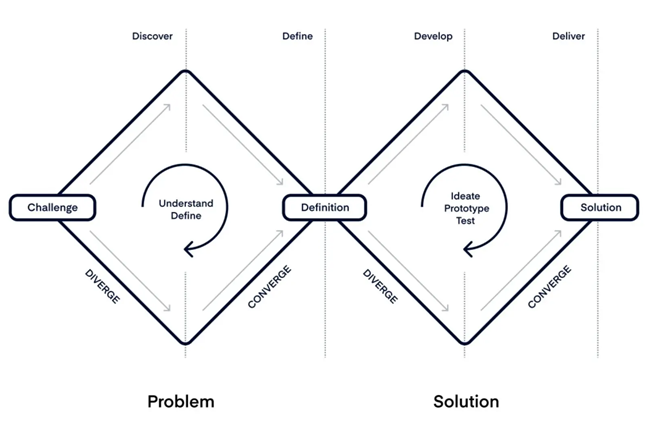
The Discovery Phase for AITP focused on uncovering deep-rooted pain points and opportunities across the quoting, claims, and policy management journey. Using the Double Diamond framework, we explored a wide range of user and business challenges before narrowing down to define the core problems.
I started by aligning with stakeholders on business objectives and user pain points. I logged in to the legacy site to experience the journey first hand and noticed few potential edge cases.
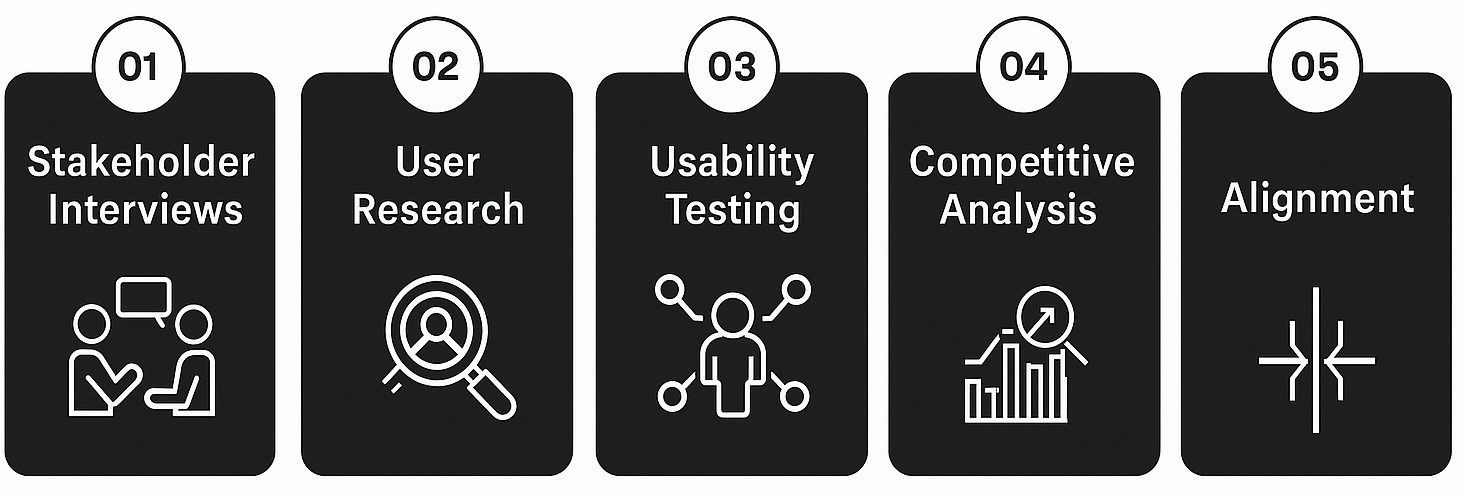
I began by conducting interviews with internal stakeholders across product, marketing, and partner relations to understand business goals and technical limitations. This helped frame early hypotheses around why users were dropping off and where friction existed in the partner-integrated insurance experience.
To validate and deepen our understanding, I engaged with 20 users (both B2B and B2C) through interviews and surveys. This revealed major frustrations with complex quote journeys, lack of transparency in claim status, and over-dependence on support teams for basic tasks like policy document access.
Ran task-based usability tests on the legacy system to observe real behavior. The insights showed users struggling with navigation, inconsistent language, and multi-step onboarding that lacked progress indicators, leading to confusion and abandonment mid-process.
Benchmarking against top insurtech and aggregator platforms helped us identify gaps such as the absence of saved quotes, mobile optimization, and limited self-service functionality. These gaps shaped our list of must-have features for modern users.
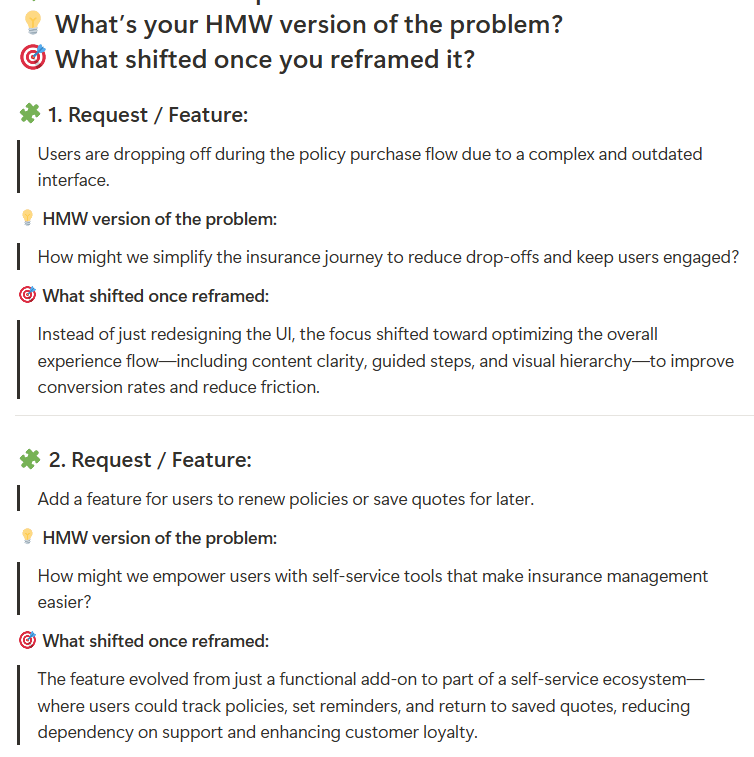
I facilitated workshops with business and technical teams to synthesize findings into "Jobs-To-Be-Done" (JTBD) and “How Might We” (HMW) statements. This helped us align around clear problem statements and set the stage for defining the right solution space in the next phase.
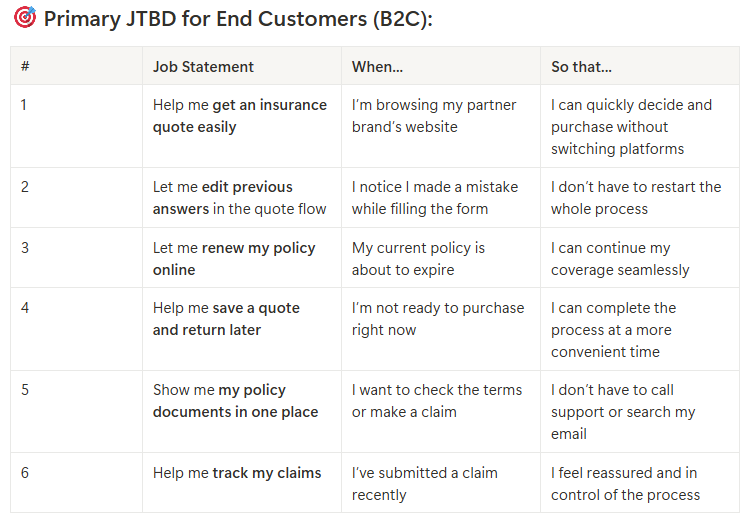
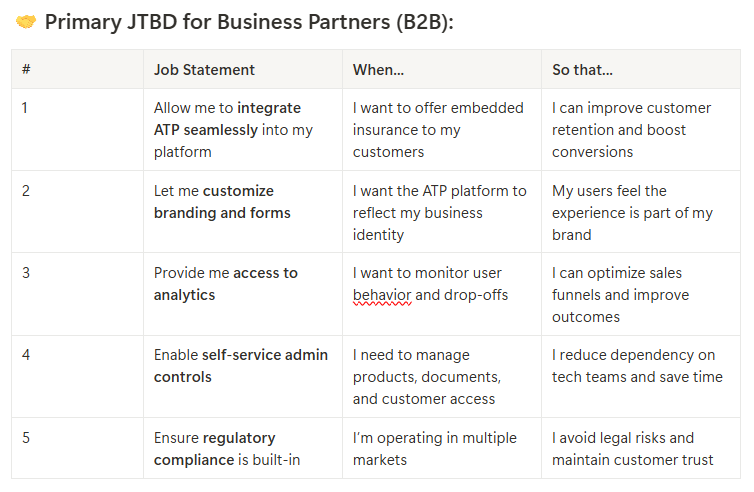
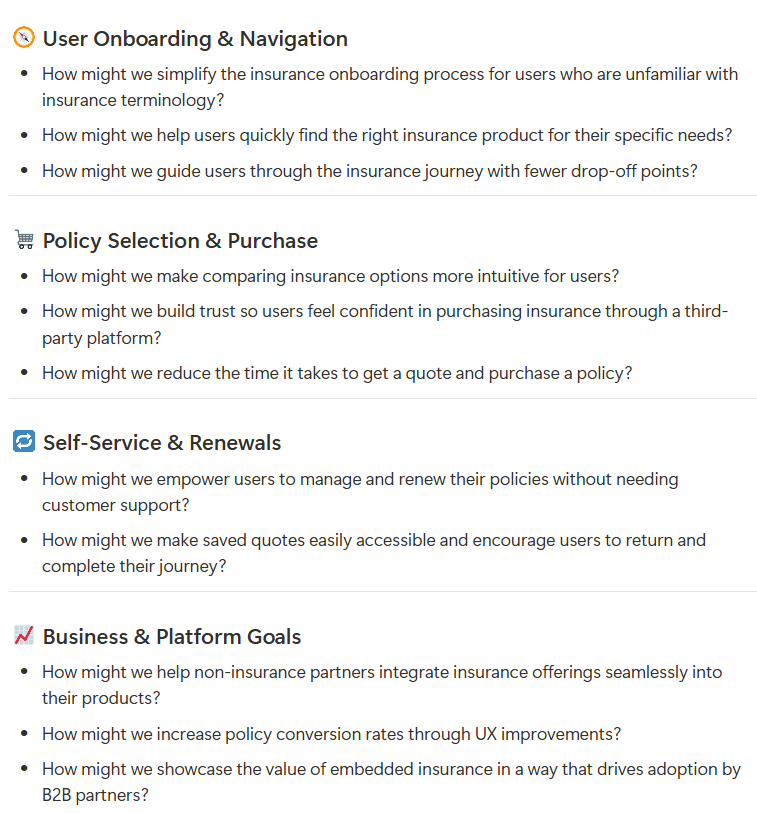
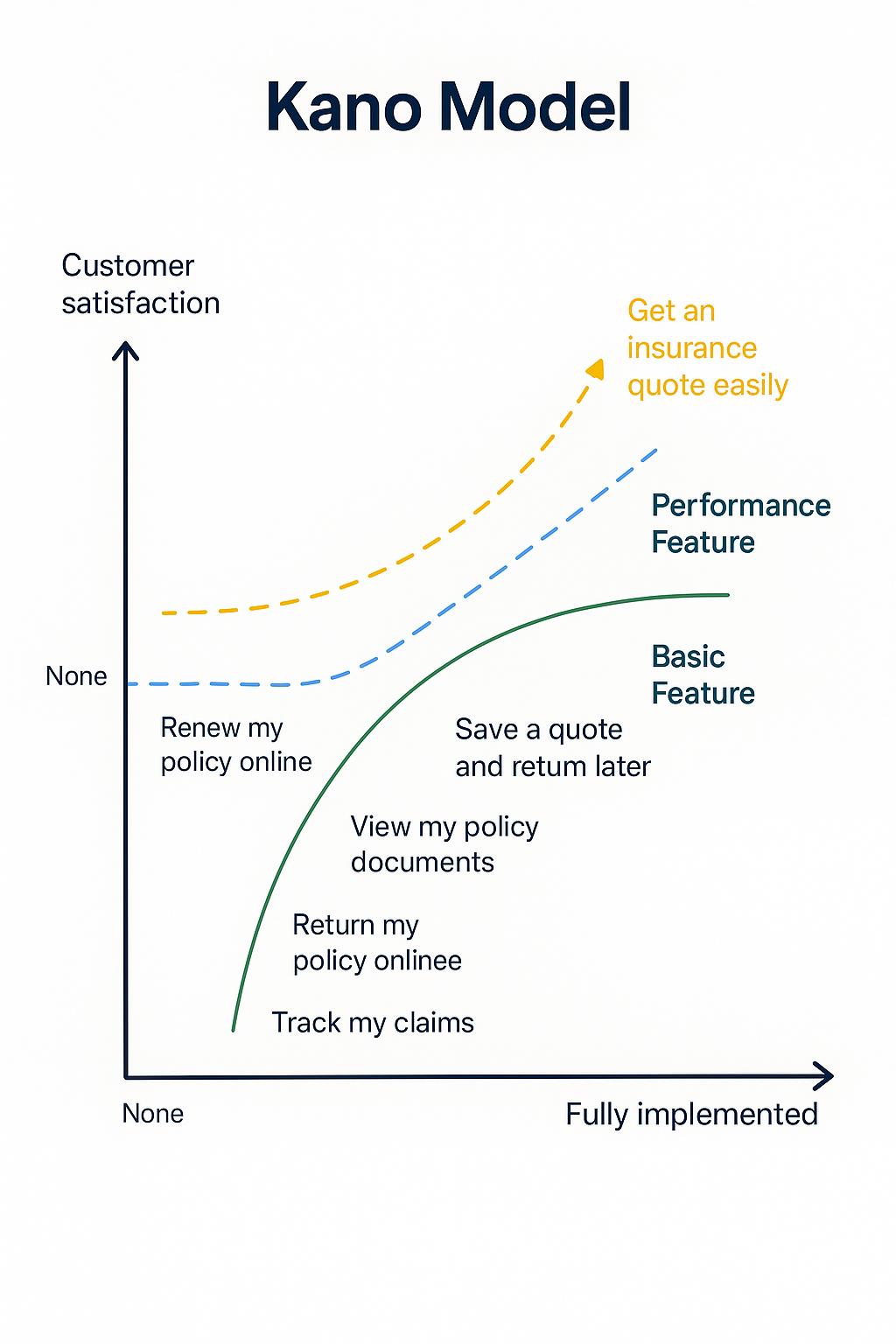
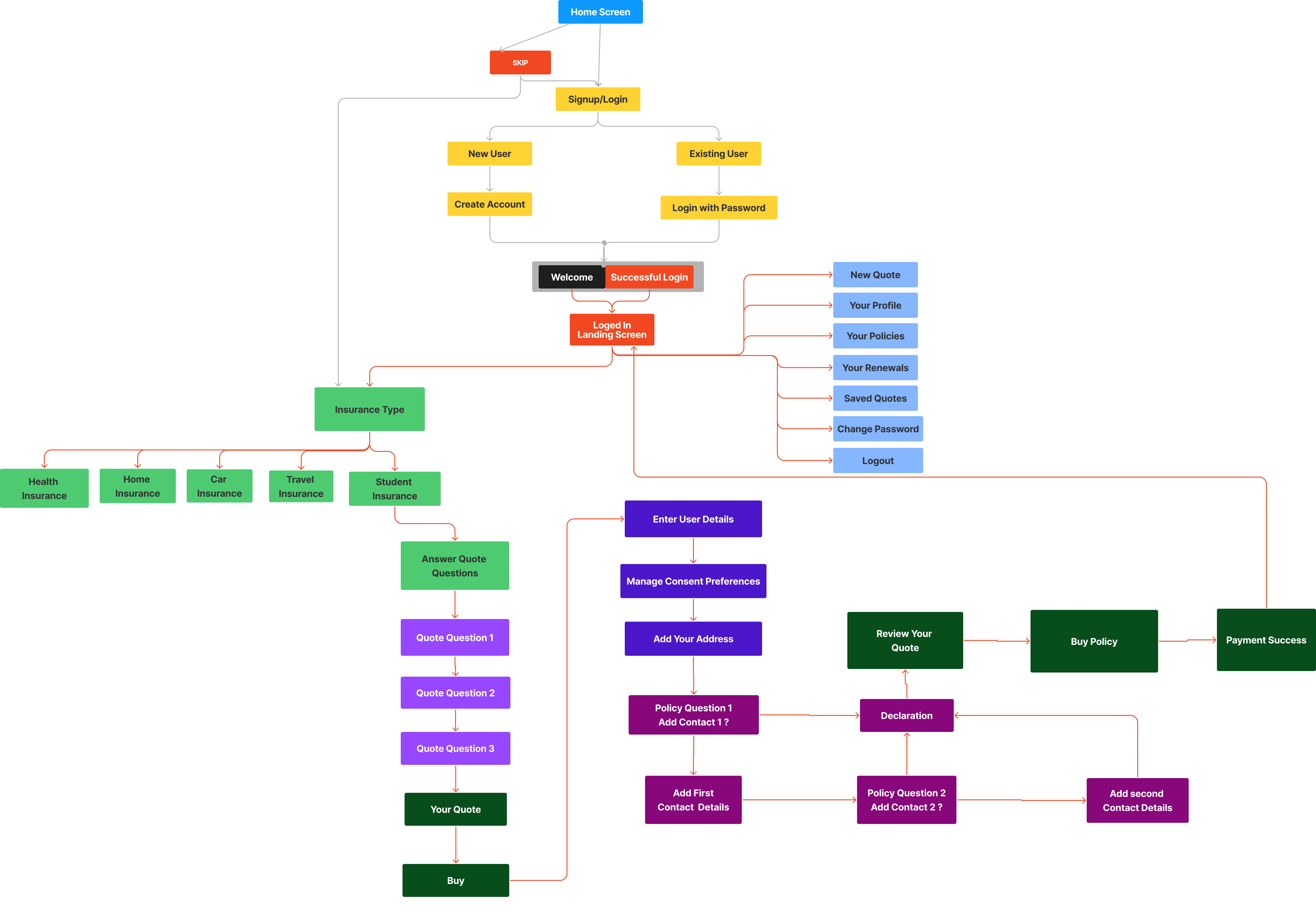
Mapped all touchpoints: onboarding → quote questionnaire → policy Q&A → payment → profile management → claims.


I then began various sketching activities to translate user requirement into flows, helping me materialize our ideas and solutions.
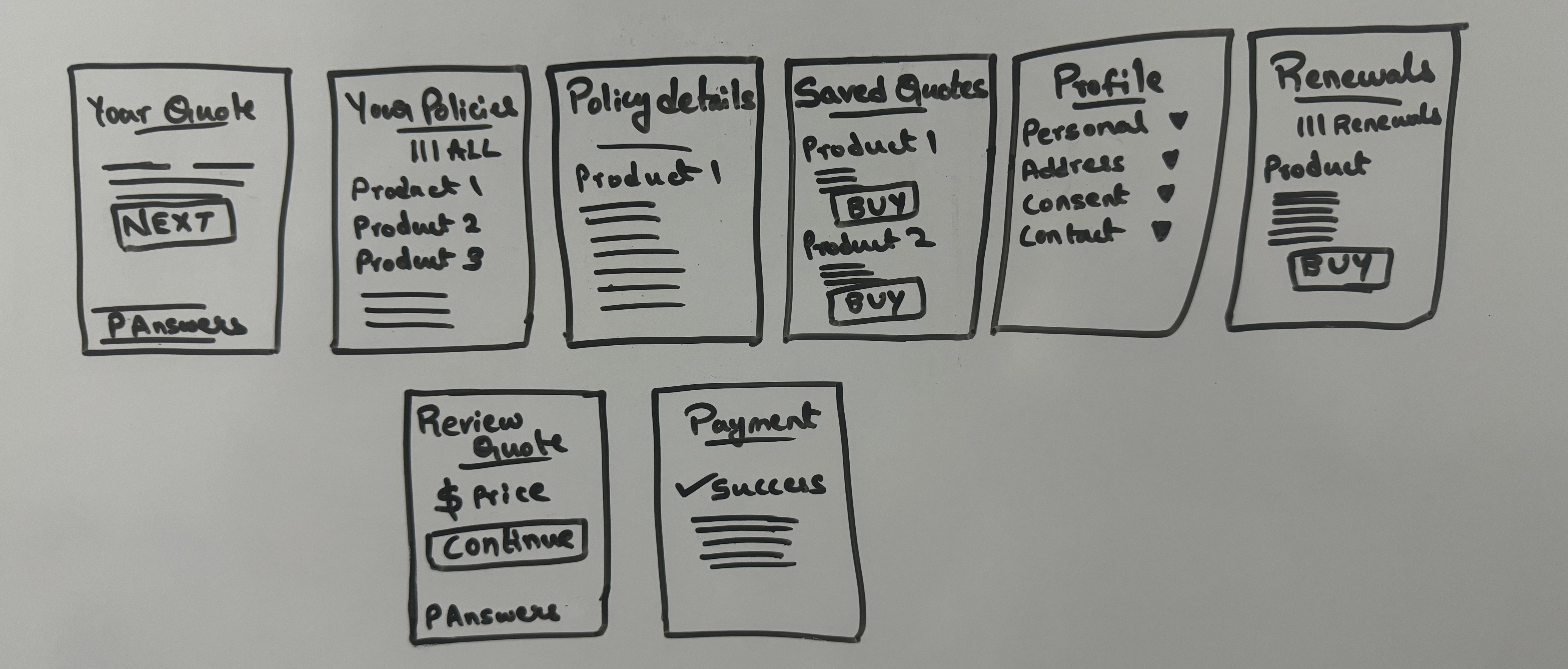
We organized the user testing sessions, as well as the main screens we needed to develop for those testing days. I design the initial mockups and organized the user testing sessions to gather initial feedback before starting the actual design. Once we wrap up the detailed flow and information architecture, we dive into individual flows, progressing from Low-Fidelity iterated into high-fidelity interactive prototypes.
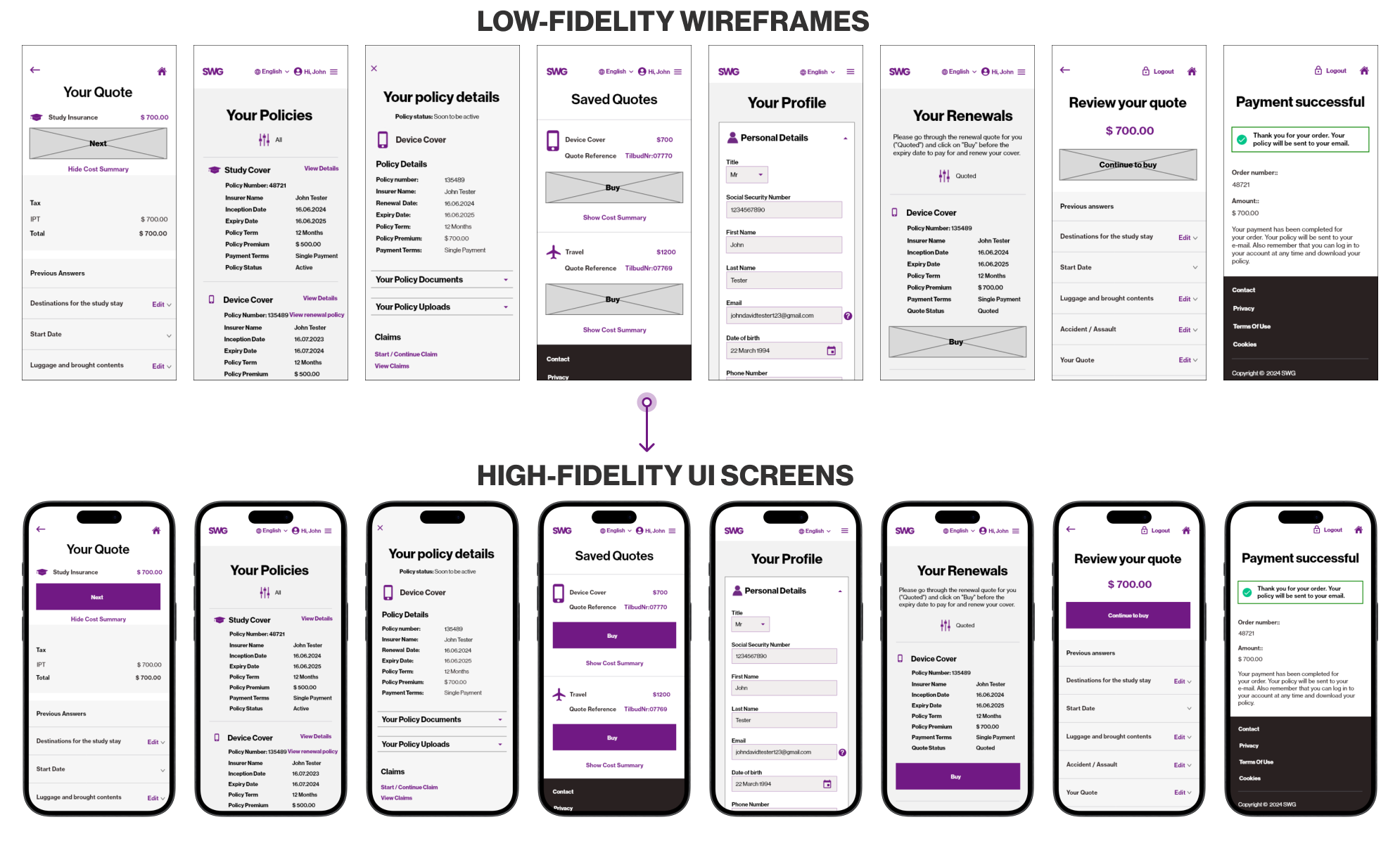
After translating sketches into functional solutions / clickable prototypes, I organized a meeting with the Project Manager and other stakeholders to gather feedback and address any changes or new requirements that arose.
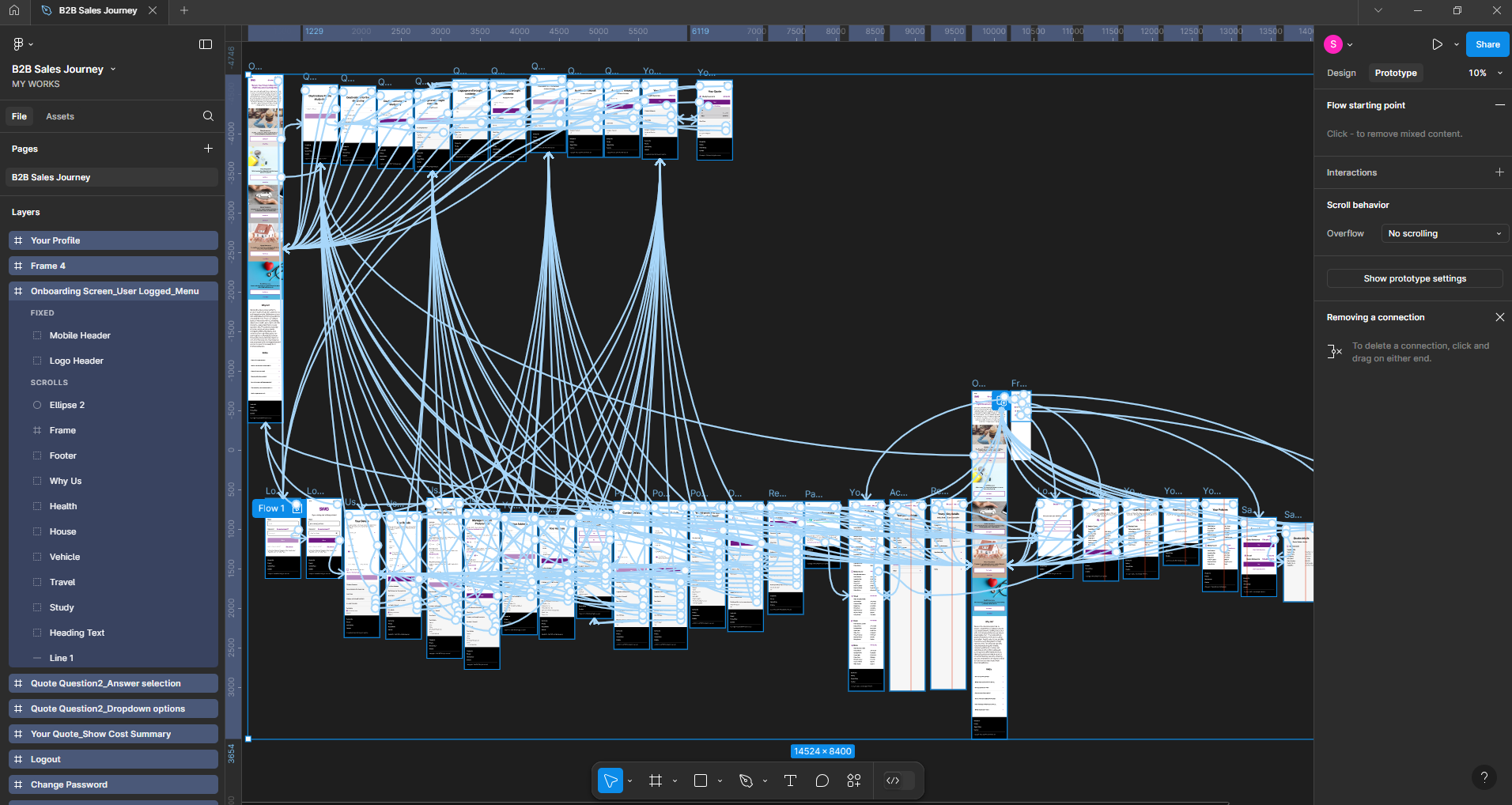
We organized the user testing sessions, as well as the main screens we needed to develop for those testing days.
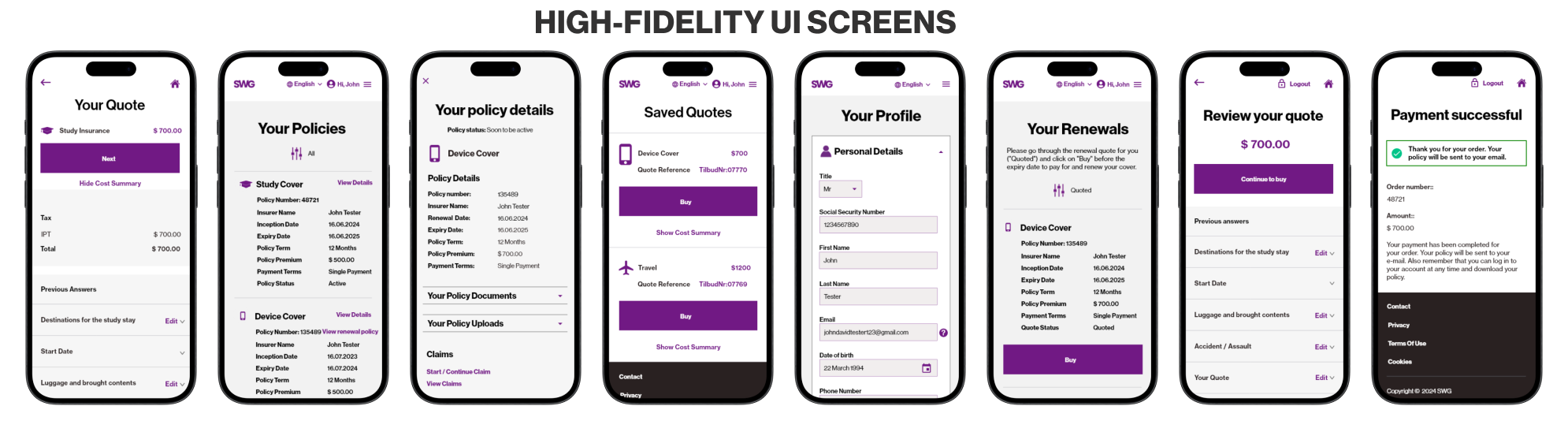
During the testing phase, conducted multiple iterative rounds of validation with both clients and end users. Our focus was on improving usability, reducing friction, and validating the new navigation model across key flows like quoting, policy management, and claims.
Conducted multiple usability rounds to observe how target users interacted with the platform, identifying common pain points in onboarding, quote editing, and claims flows.
Incorporated both qualitative and quantitative feedback to drive design refinements, especially around accessibility and policy navigation.
Refined Figma prototypes based on test results, focusing on simplifying journeys like quote editing and policy management.
Engaged internal and partner stakeholders throughout to ensure alignment with both business goals and user needs.
Rolled out a test version to select users, gathering real-world feedback. Also provided training and support to help users adopt the new system effectively.
Post-launch, set up engagement and satisfaction metrics to guide future iterations based on continued user behavior.
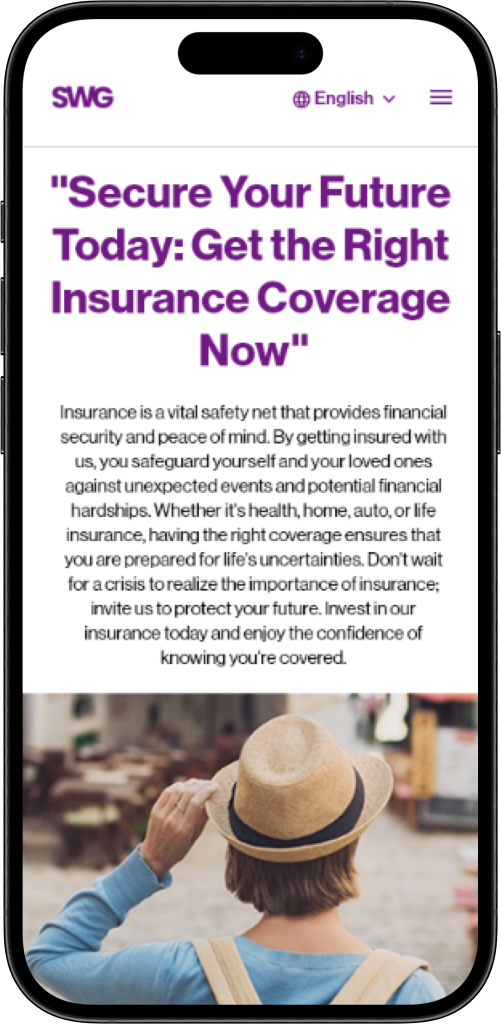
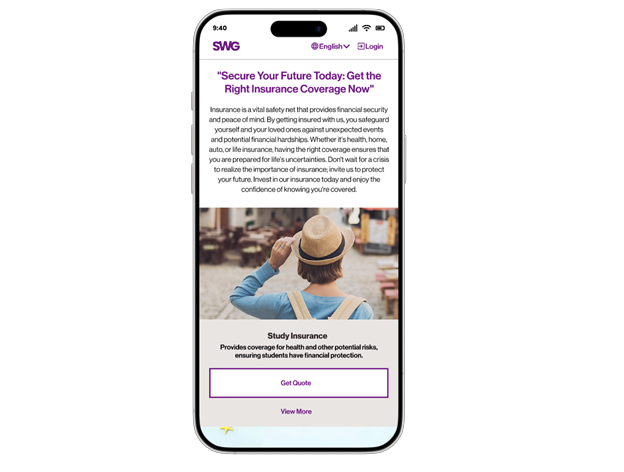
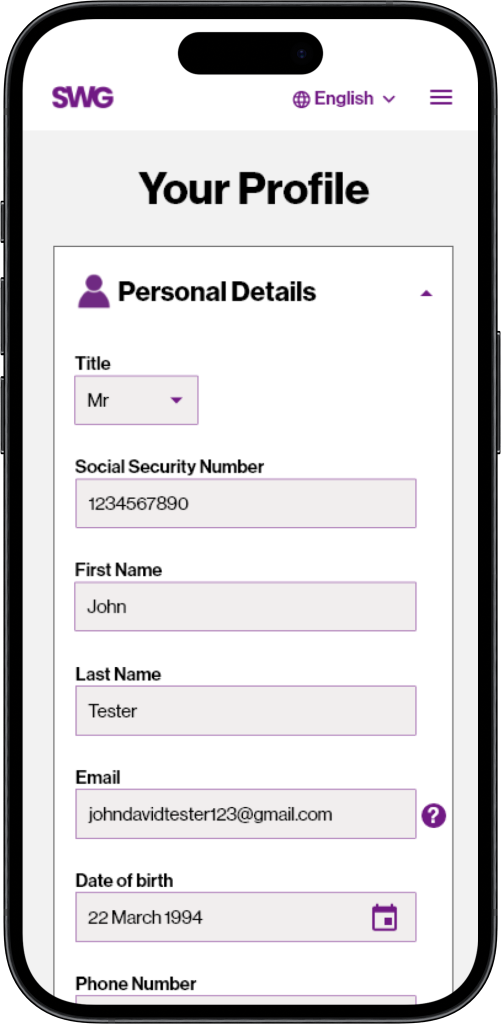
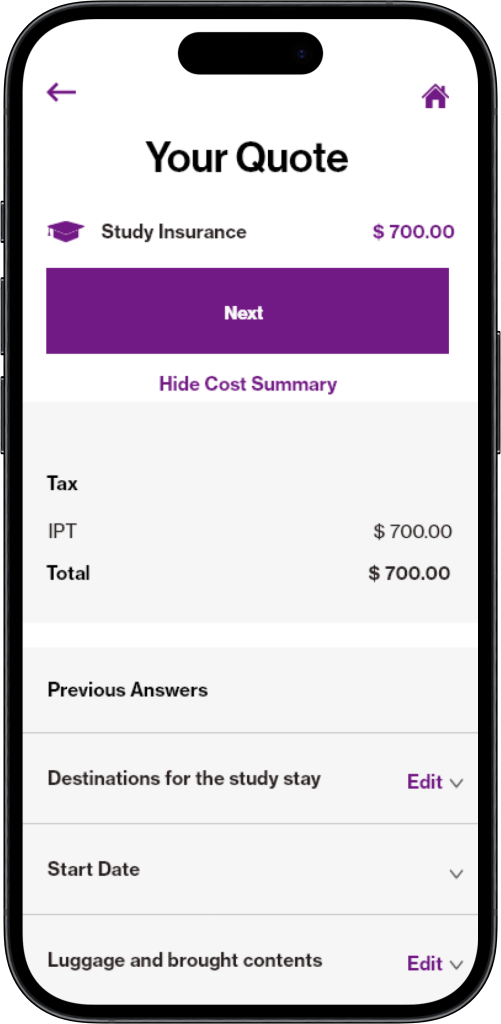
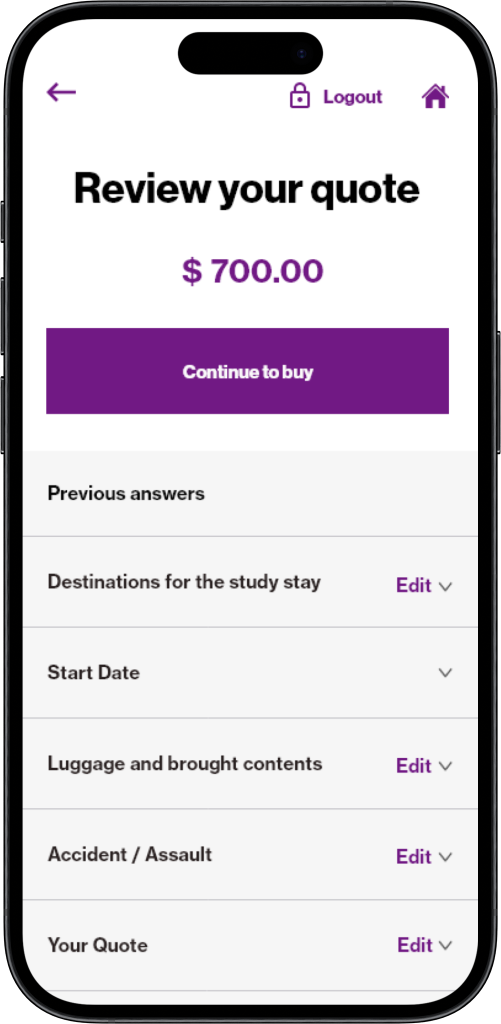
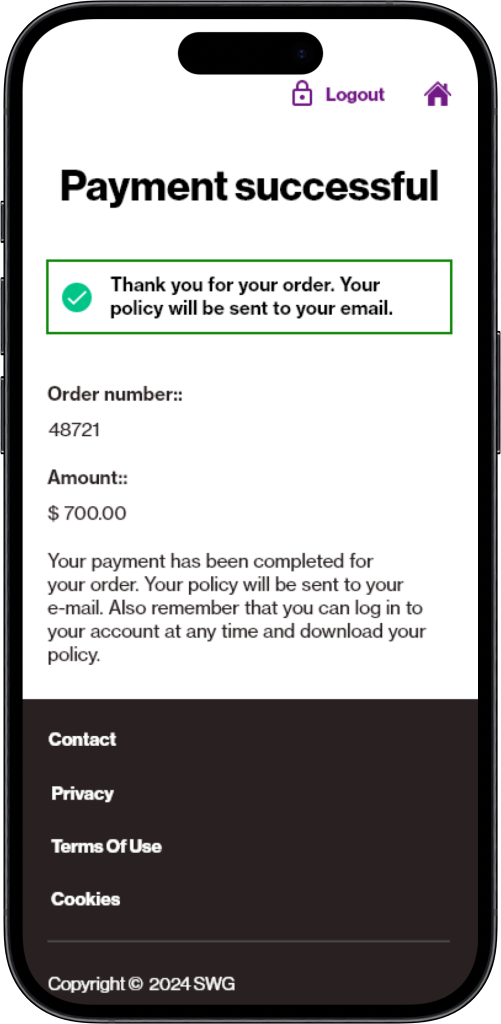
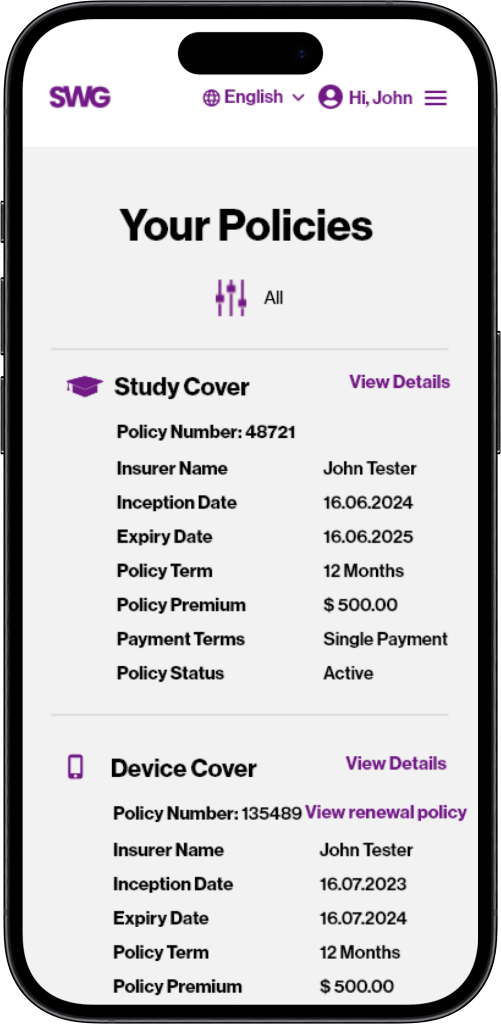
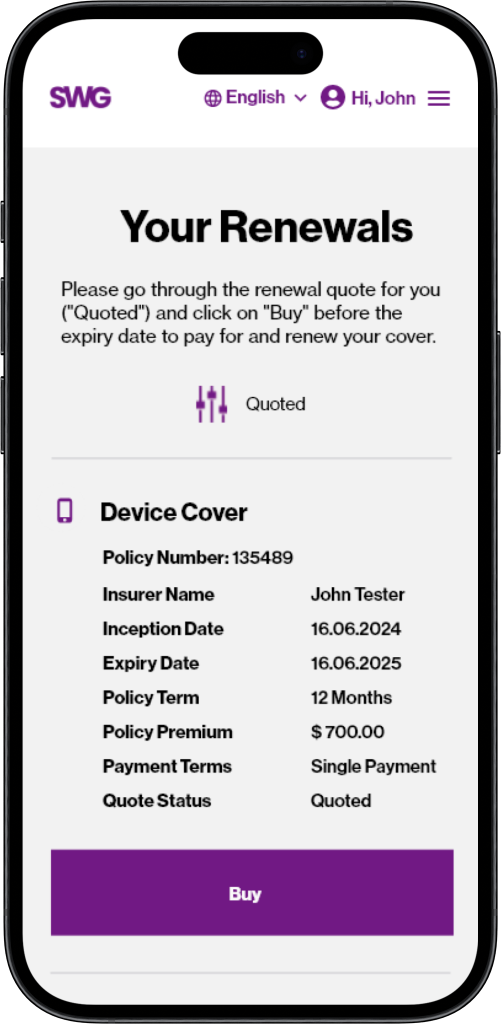
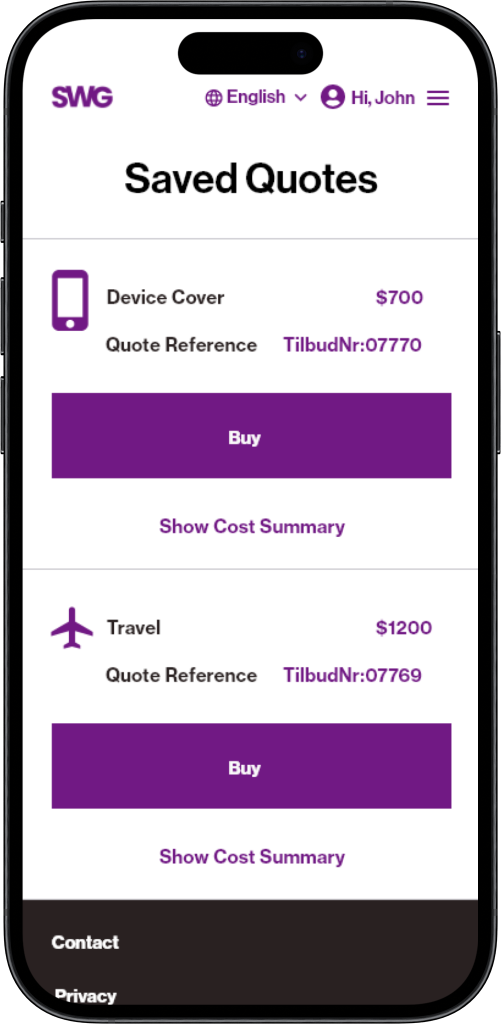
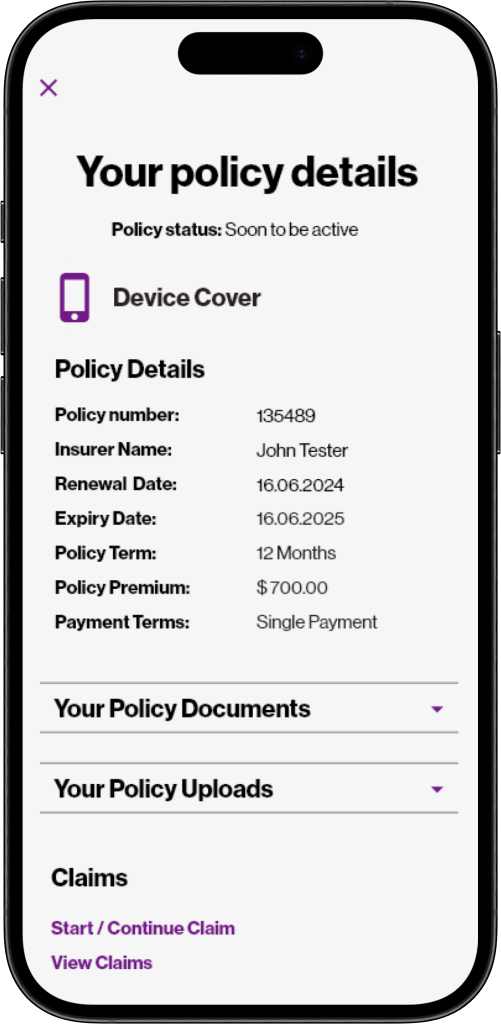
The Generic Model for B2B and B2C application featuring the User Profile , New Quote generation flow , Policies Management , Renewals , Saved Quotes , Payments integration and Email communications are enabled successfully, yielding significant improvements.
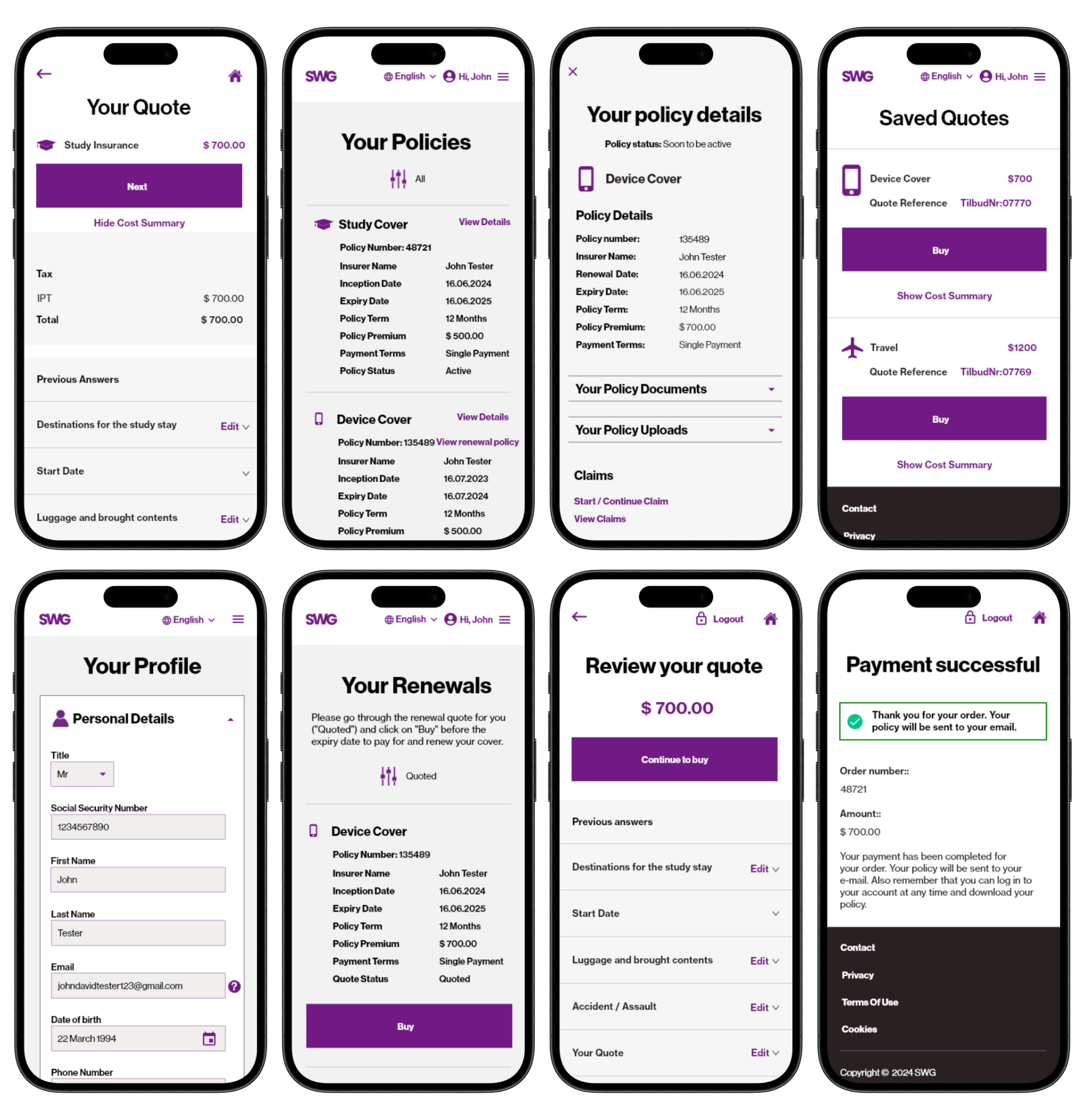
Quoting abandonment fell from 40% to 20%; claims abandonment dropped from 35% to 22%.
Average quote-to-bind time shrank from 8 minutes to 6.2 minutes (↓23%).
Policy renewals rose by 15%, boosting partner revenue by 50% year-over-year.
Self-service features cut support tickets for renewals and saved quotes by 25%.
The project marked an important step in enhancing the customer journey within the insurance industry.
CSAT climbed from 3.6/5 to 4.4/5, and active sessions per user grew by 25%.
This project reinforced the importance of how data-driven research, iterative testing, and cross-functional collaboration can transform a clunky, legacy platform into a scalable, partner-friendly solution, delivering measurable gains for both the business and its users.
Here are the key learnings and takeaways from the application results:
Prioritizing user needs in the design process leads to greater engagement and satisfaction.
Allowing for customization and flexibility in insurance solutions can significantly enhance the user experience.
Simplifying access to multiple policies can reduce confusion and improve overall usability.
Continuous testing and iteration help address technical challenges effectively, especially in complex systems
Ensuring that users can easily edit and understand their quotes fosters trust and encourages ongoing interaction.
Working closely with stakeholders throughout the project ensures that diverse business standards and goals are met.